
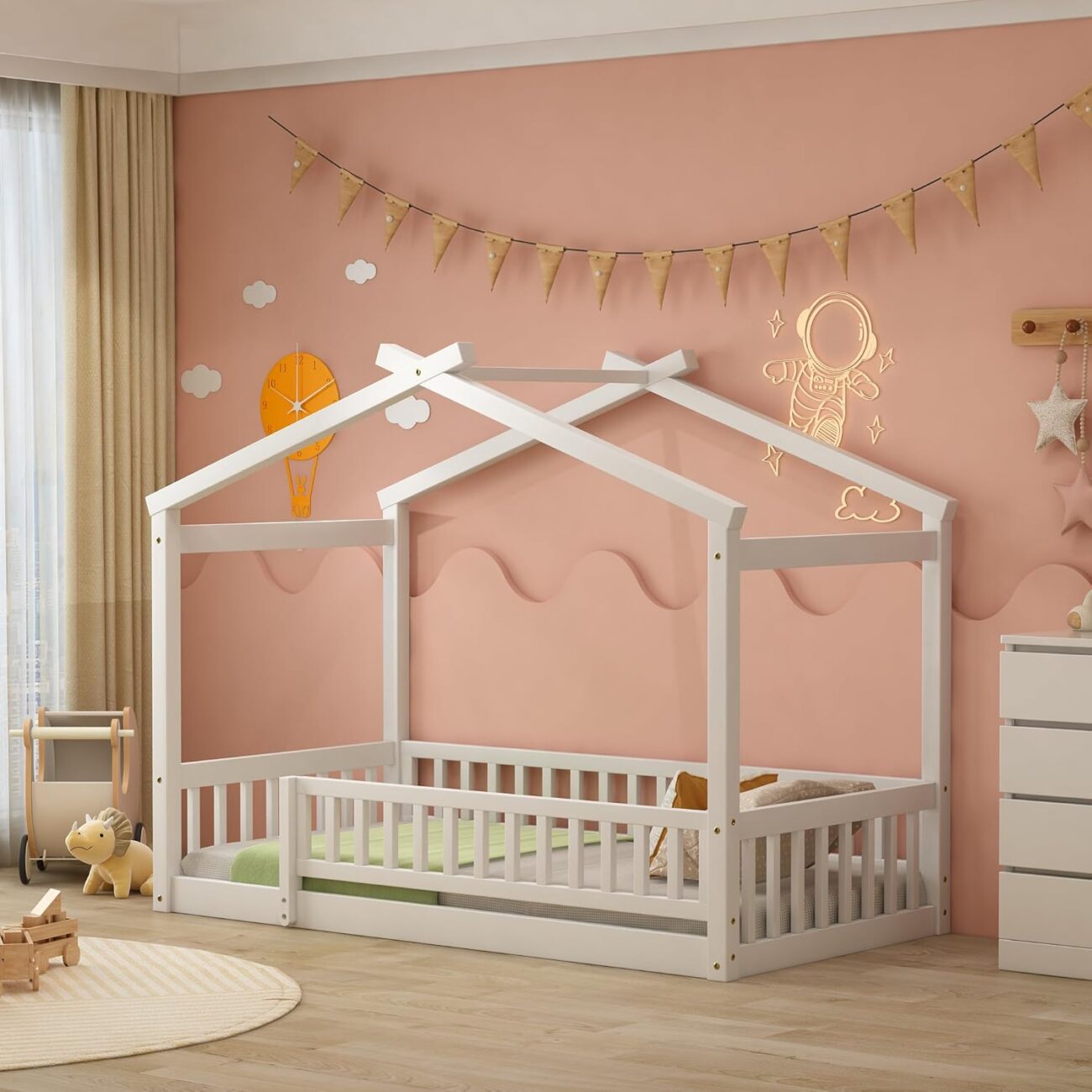
If you’re considering a floor bed for baby, you’re probably wondering if it’s safe, when to start, and whether your little one will actually stay in bed. The idea of a montessori floor bed can seem unusual in the U.S., but it’s actually how families around the world have been approaching sleep for generations. Let’s break down everything you need to know.
What Is a Montessori Floor Bed?
A montessori floor bed is a low-frame bed or mattress placed directly on the floor that allows your child to get in and out independently. Sometimes called a floor bed for toddler or montessori bed for baby, these beds give children autonomy over their sleep space while keeping them safe and close to the ground.
The main difference from a crib? Your child isn’t contained. They can move freely, which aligns with Montessori principles of respecting a child’s natural development and desire for independence.
Why Would You Want a Floor Bed for Baby?
There are plenty of reasons families choose a toddler montessori bed over traditional cribs. Here are the most common ones:
Easier transitions from bedsharing. If your baby is used to sleeping next to you, a montessori bed for baby makes the move to independent sleep smoother. It feels more similar to your bed than a confined crib does.
No more failed crib transfers. You can nurse or rock your baby to sleep, then gently roll away without the dreaded lift-and-place that wakes them up. Many parents say this alone transforms their nights.
Moving away from certain sleep associations. A floor bed for toddler lets you lie with your child while gradually reducing assistance. You can pat, sing, or cuddle them to sleep, then slowly work toward independence at your own pace.
Physical limitations. Pregnant moms or parents with mobility issues don’t have to lift a baby in and out of a crib multiple times per night.
Active sleepers. Some babies roll and move so much at night that hitting crib rails wakes them constantly. A floor bed for baby gives them the space to move freely, and many parents report longer sleep stretches after making the switch.
When Should You Start Using a Montessori Floor Bed?
You can technically use a floor bed for baby from birth if it’s set up safely. Most families transition between 5 and 18 months, but there’s no magic age. It really depends on what works for your family and your baby’s development.
Common times to start:
Moving on from bedsharing. If you’re ready to transition from co-sleeping but the crib isn’t working, a montessori bed for baby often makes the change easier, especially after 9 to 12 months.
Crib isn’t working anymore. Whether it’s failed transfers, your baby climbing out, or constant night wakings from hitting the rails, these are all signs a toddler montessori bed might be worth trying.
Your baby is mobile. Once your baby can roll confidently both ways and is starting to crawl, they’re developmentally ready for the freedom a floor bed provides.
How to Set Up a Floor Bed for Toddler Safely
Safety is obviously the top priority. When you choose a floor bed for baby, the entire room becomes the sleep space. That means everything in the room needs to be baby-proofed.
Room Safety Checklist
Start by securing all furniture to the walls with anchors. Remove or secure blind cords and electrical wires completely out of reach. Cover all outlets with tamper-resistant covers. Remove small toys or items that could be choking hazards. Take down heavy wall hangings or shelves. Install a baby gate at the door or gate off hallways and stairs. Use a video monitor so you can see what’s happening.
Floor Bed Safety Guidelines
Use a firm crib mattress for children under 2 years, or a very firm twin or full-size mattress for older toddlers. Keep all sides of the mattress away from the wall to prevent dangerous entrapment between the mattress and wall. Use tightly fitting sheets with no loose bedding. No pillows until age 2, no bumpers, no loose blankets or duvets, and no weighted sleep products. A footless sleep sack works great for warmth and prevents tripping.
Our Top 5 Montessori Floor Bed Recommendations
After researching dozens of options, here are the five best montessori floor beds that balance safety, quality, and value for families.
Merax Twin Size Wooden House Bed
It offers incredible value and consistently receives praise from parents for its sturdy construction and charming house design. This bed includes a protective fence for safety and features solid wood construction that rivals beds costing twice as much. Assembly is straightforward, and the whimsical house frame creates a cozy sleeping space that kids love while maintaining the low-to-ground Montessori principle. For families wanting quality without breaking the bank, this is our top overall pick.
Simply Sori Natural Montessori Floor Bed
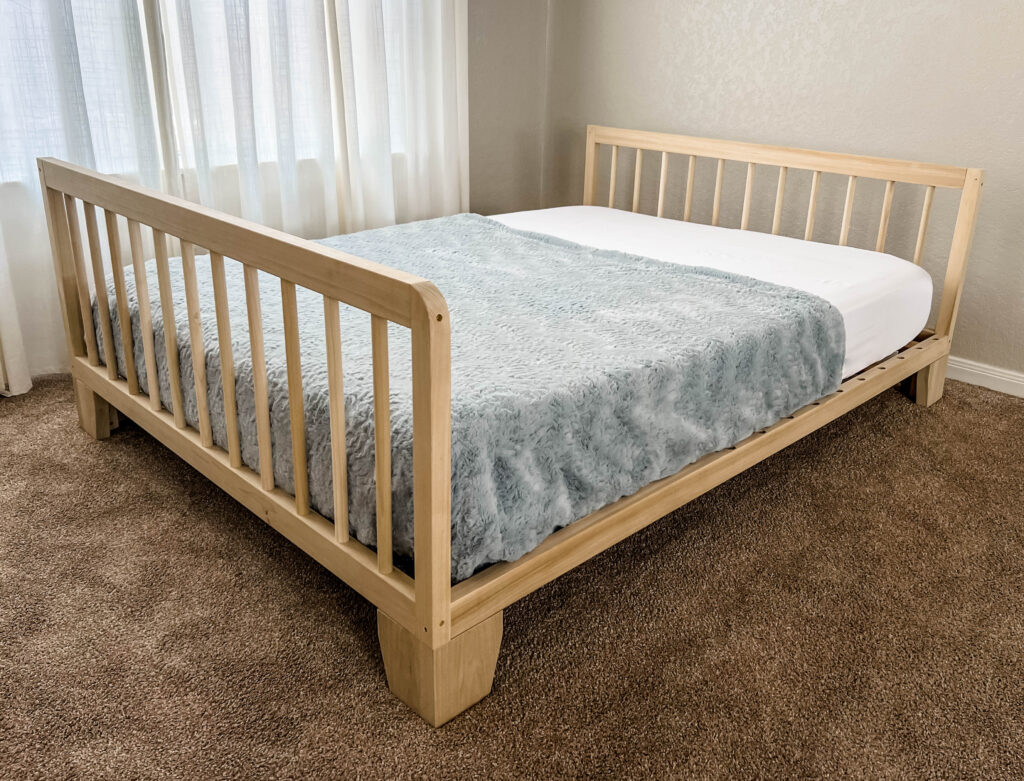
For those who value premium craftsmanship and long-term durability, the Simply Sori Natural Montessori Floor Bed is worth the investment at $400 to $600. These beds are handcrafted in the USA from natural poplar hardwood with a minimalist design that fits any décor style. What sets Simply Sori apart is their exceptional customer service, with founders who personally help customers via video call if needed. The bed converts to a standard frame with legs as your child grows, making it a truly long-lasting piece of furniture. Available in multiple finishes including natural wood, black, and earth tones, this is the choice for families prioritizing American-made quality and timeless design.
Sprout Birch Montessori Floor Bed
The Sprout Birch Montessori Floor Bed occupies the premium category at approximately $479 with beautiful Scandinavian-inspired design. Made from high-quality birch wood, this bed features incredibly simple assembly despite its solid construction. Parents consistently report that the wait for shipping is worth it when they see the finished product in their nursery. The clean, minimalist aesthetic elevates the entire room while providing a safe, low sleeping surface that grows with your child from infancy through the toddler years.
P’kolino Casita House Floor Bed
The P’kolino Casita House Floor Bed delivers excellent quality for budget-conscious families at just $160 to $200. Constructed from FSC certified pine wood, this eco-friendly option proves you don’t need to compromise on sustainability or safety to stay within budget. The house-shaped frame encourages imaginative play while keeping your child safely close to the ground. Optional bed slats are available for additional mattress support. This floor bed for toddler represents one of the most affordable ways to embrace Montessori sleep principles while still getting a well-made product.
Custom Etsy Montessori Beds
For families wanting something truly unique, Etsy marketplace offers handcrafted custom montessori bed for baby options from artisan makers like BusyWood and other independent craftspeople. These custom beds typically range from $250 to $500 depending on design complexity and materials. The advantage is complete customization in dimensions, finishes, and design elements to perfectly match your vision. The craftsmanship from small makers often exceeds mass-produced furniture, with careful attention to every detail. Expect longer production times, but you’ll get a one-of-a-kind sleeping space that reflects your child’s personality.
Transitioning to a Floor Bed for Baby
Once you’ve chosen your montessori floor bed and baby-proofed the room, start building positive associations with the space. Play there during the day, read books together, and spend time hanging out. This helps your baby see it as a happy, comfortable place.
As with any sleep change, give it time. Some babies adapt immediately, while others need a few weeks. Stay consistent with your routine and trust the process.
What If They Keep Getting Out of Bed?
This is the biggest concern parents have about a toddler montessori bed. Here’s the truth: most kids don’t party all night or raid the fridge. They’ll either sleep, call for you, or at most make their way to your room.
If your child is getting up repeatedly, get curious about why. Are they seeking connection? Going through separation anxiety? Is the room scary or unfamiliar? Are they actually tired enough to sleep? Sometimes sleep red flags like overtiredness or undertiredness are the real issue.
Here are practical solutions that help:
Blackout curtains make the room dark enough that exploration seems less appealing and possible. A video monitor lets you see when they get up so you can quickly redirect them back to bed. Door alarms or gates keep them safely in the room without locking them in, which isn’t recommended for safety reasons. You can also gate off other areas of the house instead. Practice during the day by role-playing what to do when they wake up, like calling for you or staying quietly in bed. Attachment objects like a lovey or special blanket for children over 12 months can provide comfort. Keep a water bottle nearby so they can help themselves if thirsty.
For neurodivergent children, you may need additional precautions. Use your judgment and consult with your care team.
Common Questions About Montessori Floor Beds
What age should we start using a floor bed?
You can introduce a floor bed for baby as early as birth for supervised naps, with most families fully transitioning between 5 and 18 months. The right timing depends more on developmental readiness than a specific age. Wait until your baby can roll confidently both directions before using a floor bed for unsupervised sleep.
Will my child actually stay in bed?
Initially, expect exploration as your child learns boundaries. With consistency and a solid bedtime routine, most children learn quickly that bed is for sleeping. The freedom paradoxically helps many children sleep better because they don’t feel trapped.
Is a floor bed safe for babies?
When properly implemented with thorough room baby-proofing and following safe sleep guidelines, floor beds can be very safe. The low height eliminates dangerous crib falls. Always place the mattress directly on the floor for babies under 12 months and ensure the entire room is hazard-free.
How do I prevent early morning wake-ups?
Use blackout curtains, white noise, and a toddler clock to teach appropriate wake times. Provide quiet toys or books nearby so children can play independently if they wake early. Many children learn to entertain themselves for 30 minutes or more, giving parents extra rest.
What if my child keeps climbing out of the crib?
A crib-climbing toddler is actually the perfect candidate for a floor bed transition. Continuing crib use when a child can escape creates serious fall risks. A toddler montessori bed provides the freedom they’re seeking in a much safer format.
What size mattress should I use?
For babies under 2, use a crib mattress. For toddlers, you can use a twin or full-size firm mattress depending on your space and budget.
Can I use a floor bed if we room share?
Absolutely. A montessori bed for baby can be set up in your room safely as long as the sleep space follows all safety guidelines.
The Bottom Line on Floor Beds for Baby
Choosing a montessori floor bed isn’t just about furniture. It’s about giving your child freedom, independence, and respect for their natural development. Whether you go with an affordable option like the P’kolino or invest in premium quality from Simply Sori, you’re creating a sleep environment that supports your child’s growth.
The transition takes patience and consistency, but most families find that within a few weeks, everyone settles into a new rhythm. Your child learns self-regulation, you get better sleep, and bedtime becomes less of a battle.
Ready to try a floor bed for toddler or floor bed for baby? Start by baby-proofing the room, choosing one of our recommended beds, and building positive associations with the space. Trust the process, stay consistent, and watch your child thrive with their newfound independence.
